AI products need more than a working demo
AI demos are easy. Production AI is an engineering problem.
The difficult part is building a feature that handles real product data, permissions, uncertain answers, changing model providers, usage costs and failures without becoming a separate system that nobody can maintain.
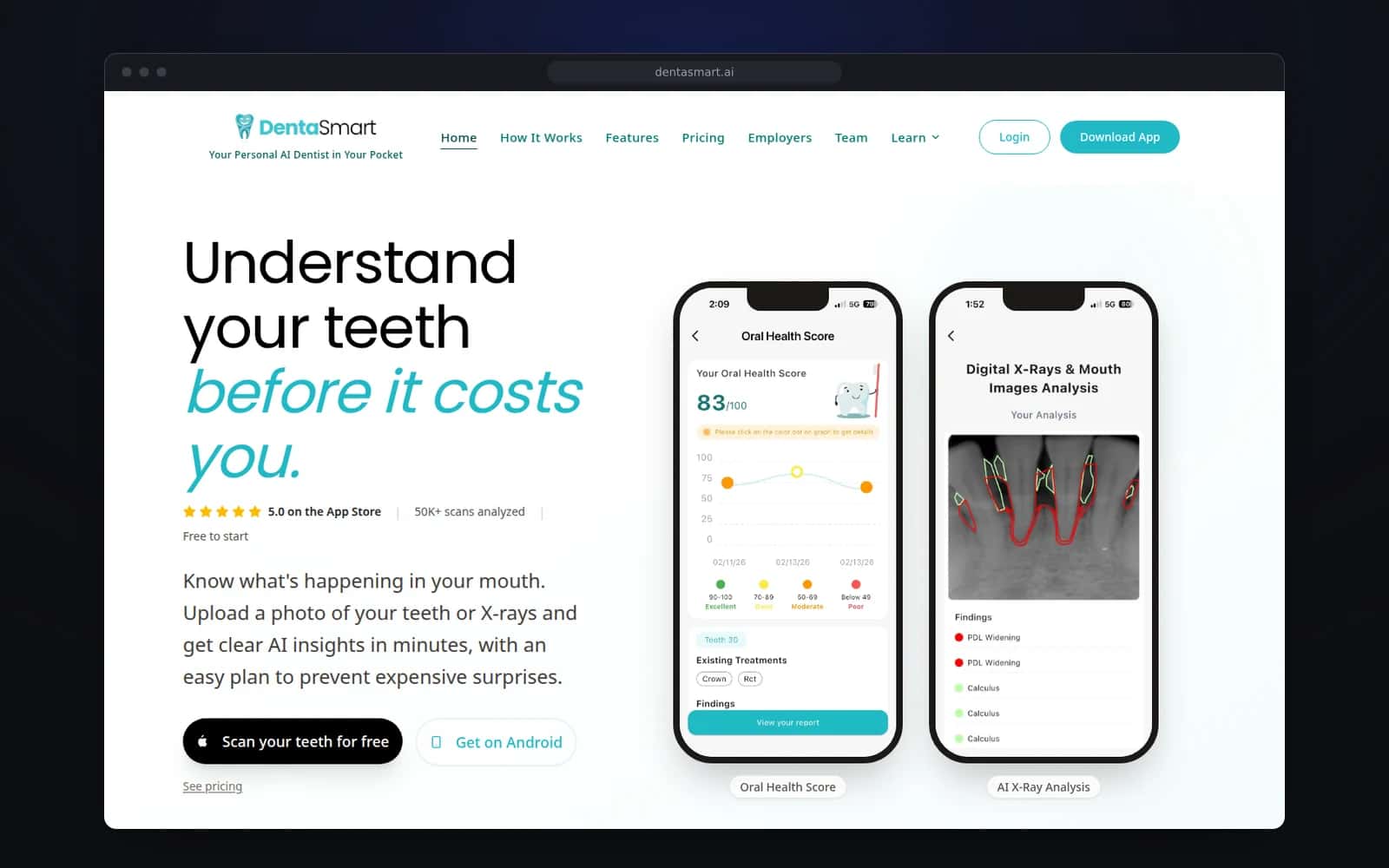
In my full-stack developer role at Zigron Pakistan, I work on backend services, web applications, subscription workflows and AI integrations for DentaSmart. This experience informs how I approach production AI features without presenting the wider product, mobile application, clinical models or product results as work I completed alone.
Grounded answers still require evaluation
Retrieval-augmented generation can help when an assistant must answer from product documentation, policies or private knowledge. It is not a guarantee of accuracy.
Source quality, permissions, retrieval testing, citations and fallback behaviour still matter. I design the retrieval and application layers so teams can evaluate common questions and see which material supported an answer.
Model integrations should expose their dependencies
I separate provider interfaces from product logic to reduce unnecessary coupling. Changing models or providers still requires checking tool support, data handling, latency, cost and output quality.
The integration should document those dependencies and evaluate a proposed model change before rollout.
Custom model serving
When a generic API is not enough, the integration may need queued inference, structured outputs, timeouts, retries, observability and model versioning.
My DentaSmart responsibilities include backend and AI-integration work within the Zigron team. The wider clinical product and its models are not presented as my individual work. Related application infrastructure can be delivered through my backend and API engineering service.
Cost and quality controls
Production AI should include usage telemetry, rate limits, caching where appropriate, failure monitoring and a repeatable evaluation set.
Quality should be tested against representative tasks, not judged from one successful demo. Cost controls must preserve the required quality and user experience. Deployment, monitoring and rollback planning can also be handled through cloud, DevOps and deployment.
Who this service is for
This service is for product teams adding a bounded AI workflow to an existing SaaS product or building one into a new application. If you are starting a new product, see AI SaaS MVP development.
A useful starting scope identifies:
- Who will use the feature
- What data it can access
- What action or answer it should produce
- What happens when the system is uncertain
- How success will be evaluated
- What usage and cost limits are acceptable
Planning an AI feature? Share the workflow, available data and what a reliable result should look like. I will help you identify the smallest production-ready scope.
What you get
- 01A bounded AI workflow with clear acceptance criteria
- 02Retrieval or model integration with permissions and source handling
- 03Evaluation, monitoring, rate limits and cost controls
- 04Maintainable backend and web integration